
Social media marketing is the practice of using social media platforms to promote your business, connect with customers, and grow your brand. For small businesses in particular, it is one of the most powerful and cost-effective marketing tools available. There are now 5.79 billion social media user identities globally as of April 2026, according to DataReportal’s mid-year analysis, and the average person spends around 2 hours and 21 minutes on social media every day. If your customers are not finding your business on social media, they are almost certainly finding your competitors.
With around 71% of businesses now using social media for marketing, knowing not just whether to show up but how to show up effectively is what separates small businesses that grow through social from those that post into the void. In this guide, we will cover the benefits, the platforms, and 14 practical tips for making social media marketing actually work for your business.
Benefits of Social Media Marketing for Small Businesses
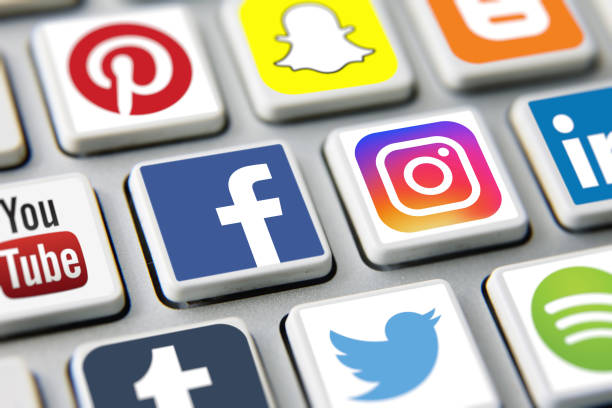
Investing in social media marketing can give your business a real edge over the competition. Here are the benefits that matter most for small businesses.
Gives Your Business Exposure
Social media is one of the most effective ways for small businesses to gain exposure without a large advertising budget. Through platforms like Instagram, LinkedIn, and Facebook, small businesses can reach a wide range of customers on a global scale, connecting with audiences who might never have heard of them otherwise.
In short, social media gives small businesses a way to build brand awareness and open up new business opportunities that simply were not accessible before these platforms existed.
Provides Valuable Insights

Social media has evolved into a critical tool for understanding consumer sentiment and behavior. By monitoring conversations on different platforms, businesses can stay up to date on how customers feel about their products and services, what topics their audience cares about, and how they compare to competitors. That intelligence helps companies make smarter decisions about product development, messaging, and marketing direction.
Helps You Grow Your Customer Base

Social media gives businesses a direct way to connect with both existing customers and potential new ones, all over the world. Through platforms like Facebook, Instagram, and LinkedIn, you can create content that resonates with your audience, run targeted advertising campaigns, monitor what competitors are doing, and analyze feedback from your posts. The result is an ongoing way to bring in leads, build relationships, and grow a loyal customer base over time.
Helps You Understand Competitors Better
Through targeted content and strategic hashtag monitoring, social media gives businesses genuine insight into what competitors are doing and how their audience responds to it. You can see what topics are resonating, how their followers engage, and where potential weaknesses exist in their positioning. That information gives you a real competitive edge, helping you avoid gaps in your own strategy and seize opportunities your competitors might be missing.
Helps You Create Offers That Speak Directly to Your Customers
Social media marketing has changed how businesses connect their offers to customer needs. Through various platforms, you can create promotions targeted at specific demographics, communicate personalized messages in real time, and build conversations that generate real feedback. That feedback loop helps small businesses not only promote more effectively but craft strategies specifically tailored to what their customers actually want, leading to more meaningful connections and stronger sales.
14 Social Media Tips for Small Businesses
Mastering social media does not happen overnight, but a few foundational habits will take you further faster. Here are 14 tips for small businesses getting started or looking to level up.
1. Know Your Audience

A successful social media strategy starts with a clear picture of who you are trying to reach. That means understanding the specific group of people you want to connect with, the language they use, the topics they care about, and which platforms they actually spend time on.
Without this clarity, it is very hard to create content that grabs their attention or run campaigns that connect with them. Take the time upfront to build a clear buyer persona for your target customer and your social media efforts will be significantly more effective as a result.
2. Plan Your Content Before You Post

With businesses relying more than ever on social media to reach their audiences, planning content in advance has become essential rather than optional. Planning ahead means creating content that aligns with your brand, engages people who may not already know you, and reduces the risk of posting something irrelevant or off-brand under time pressure.
Content planning also helps you discover new audiences by enabling you to think strategically about what topics and formats will pull in the right people, not just entertain those who already follow you. Setting realistic production goals and analyzing which post types perform best will help you continuously improve your approach.
3. Build a Social Media Content Calendar
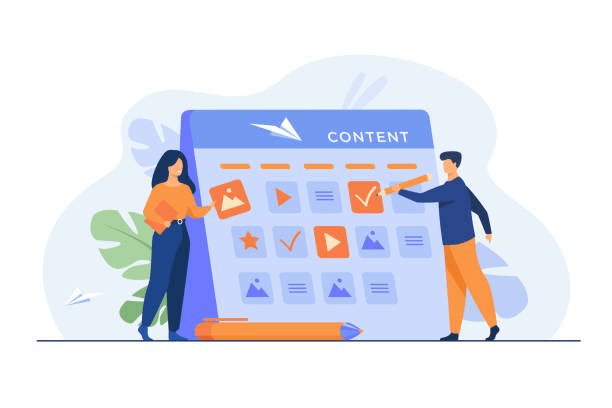
A content calendar is an essential tool for any small business trying to stay consistent on social media. It lets you plan posts across platforms in advance, keep track of what has gone out and what is coming, and stay prepared for upcoming events or promotions without scrambling at the last minute.
Combined with a well-thought-out social media calendar, you will have a unified system that keeps your content organized, your posting consistent, and your brand voice recognizable across channels. Consistency matters more than volume on social media. A planned, reliable presence builds more trust than sporadic bursts of activity.
4. Keep an Eye on Trends
Monitoring trending topics and conversations is one of the most effective ways for small businesses to stay relevant. Social media analytics show you how your audience is responding to content, what they are interested in, and where your engagement is strongest.
By tracking conversations across channels like Instagram, LinkedIn, and X, and using social listening tools, you can spot areas for improvement, respond to customer sentiment early, and identify trending topics where your business can add a genuine perspective. Understanding what your audience cares about in real time is a real advantage when it comes to creating timely, relevant content.
5. Use Hashtags Strategically
Hashtags remain a powerful discovery tool when used well. They help link related content together, extend your reach to people who do not already follow you, attract potential customers, and make it easier for users to find content relevant to their interests.
The best approach is to use a focused mix of broad industry hashtags and more specific niche ones, typically three to five per post on most platforms. Avoid stuffing posts with irrelevant or excessive hashtags, which tends to reduce credibility rather than increase reach. For platform-specific guidance, Hootsuite’s Instagram hashtag guide is a reliable reference.
6. Create Captivating Visuals and Graphics

Strong visuals are one of the most reliable ways to stop someone mid-scroll. Images and graphics make your content more immediate and engaging without requiring long blocks of text to do the communicating.
Free tools like Canva make it straightforward to create professional-looking visuals without a design background. When building your visual content, think about sizing for different platforms, consistency in your brand colors and style, and making images accessible to all viewers. A consistent visual identity across your social channels helps your posts become recognizable in the feed over time.
7. Make Social Media Videos
Video remains the single highest-ROI content format across social platforms in 2026. Short-form video in particular drives more engagement per post than almost any other format, and native video consistently outperforms links to external video platforms in terms of reach. Small businesses can and do produce effective video content without expensive equipment. A smartphone, decent lighting, and a clear message are enough to get started.
Videos work particularly well for product demonstrations, behind-the-scenes content, customer testimonials, and quick educational tips. See our guide on visual marketing for more on how to make video work for your brand specifically.
8. Take Full Advantage of TikTok and Instagram Reels
Short-form video on TikTok and Instagram Reels gives small businesses an opportunity to reach audiences far beyond their existing followers in a way that static posts rarely achieve. Both platforms actively push short video content to users who are not yet following an account, which is a significant organic reach advantage.
The key is to create content that is genuinely engaging and specific to those platforms rather than repurposing longer content. Partnering with relevant influencers on either channel can also skyrocket engagement rates and tap into established communities. As both platforms continue to grow their commercial capabilities, the opportunity for small businesses to build presence without a large budget continues to expand.
9. Run Ads and Sponsored Posts
Organic reach on social media has real limits. When you want to make sure your message reaches people beyond your existing followers, ads and sponsored posts are one of the most targeted options available.
Running an effective ad requires clear thinking about your audience, a compelling message, and a measurable goal. With the right targeting, even a modest ad spend can put your content in front of the exact type of customer you are trying to reach. Social advertising also lets you retarget people who have already visited your website or engaged with your content, which tends to convert at significantly higher rates than cold advertising.
10. Go Live
Live videos give small businesses a way to connect with their audience in real time in a more genuine, less produced way than polished content allows. People engage with live content because they can interact directly, ask questions, and feel like they are part of something happening right now.
Weekly Q&A sessions, product launches, behind-the-scenes walkthroughs, and event coverage all work well in a live format. The lower production barrier and higher engagement potential make live video one of the most underused tools in small business social media marketing.
11. Host Contests and Giveaways
Contests and giveaways on social media are one of the fastest ways to generate excitement, grow your follower count, and put your brand in front of new audiences. They give your current followers a reason to share your content and introduce your business to their networks, effectively turning your audience into a distribution channel.
They do not need to be expensive to be effective. A discount, a free product, or even exclusive access to something your audience values can be enough to generate real momentum. The key is making the entry mechanic encourage sharing and tagging so that the reach extends well beyond your existing followers.
12. Collaborate With Influencers and Other Small Businesses
Collaboration is one of the most effective growth strategies available to small businesses on social media. Working with influencers whose audience aligns with yours, or co-creating content with complementary small businesses, gives you access to established audiences that already trust the person or brand you are collaborating with.
These partnerships do not have to be formal or expensive. Even informal collaborations, such as a joint Instagram Live, a co-authored LinkedIn post, or a mutual shoutout, can generate meaningful new reach and open doors to ongoing relationships that benefit both parties over time.
13. Use Strong Calls-to-Action
A piece of social media content without a clear call-to-action is a missed opportunity. Telling your audience exactly what you want them to do next, whether that is visiting your site, signing up for your newsletter, leaving a comment, or making a purchase, dramatically increases the chances that they will do it.
Phrases like “shop now,” “read the full guide,” “drop your answer below,” or “tag a friend who needs this” are simple but consistently effective. Every post should have a clear next step that moves your audience closer to the action you want them to take.
14. Run Polls and Share Reviews
Polls are a direct line to what your audience thinks. Running polls on your social channels gives you insight into preferences, opinions, and what your customers want from you next. They also generate engagement with very low effort on the user’s part, which makes them one of the more reliable formats for interaction.
Sharing customer reviews on social media builds a layer of trust that brand-produced content simply cannot replicate. Prospective customers consistently weigh the experiences of other buyers more heavily than marketing copy when making decisions. Highlighting genuine customer experiences, whether through review screenshots, testimonial posts, or user-generated content, gives your social presence real credibility.
Social Media Platforms and How to Use Them
Social media is one of the most powerful content marketing tools available to small businesses today. The challenge is not whether to use it but which platforms deserve your time and how to use each one effectively. Here is a breakdown of the major platforms and what works on each.
Facebook has more than 3 billion monthly active users globally and over 200 million businesses using the platform. Despite the rise of newer platforms, it remains one of the most versatile for small business marketing, particularly for reaching audiences aged 30 and above and for running targeted paid campaigns.
Ads on Facebook are relatively straightforward to set up, and the platform’s targeting options allow you to reach very specific demographics based on age, location, interests, job title, and more. Facebook’s native analytics also make it easy to track what is working in real time.
What to post: Regular updates such as new product launches, special offers, and customer reviews. Content from other sources that your customers will find genuinely useful. Polls and questions that invite responses. Visual content consistently performs better than text-only posts on Facebook, so include images or short video whenever possible.
Instagram has become one of the most important platforms for brand building. With over 3 billion monthly active users as of late 2025 (confirmed by Mark Zuckerberg), its visual-first format makes it ideal for businesses with strong product photography, lifestyle content, or behind-the-scenes storytelling.
The platform’s combination of feed posts, Stories, Reels, and shopping features gives small businesses multiple ways to reach and engage their audience. Hashtags and the Explore page extend reach beyond existing followers, and Instagram’s advertising audience is among the most commercially active of any social platform.
What to post: High-quality photography and video. User-generated content and customer features. Reels for entertainment and reach. Stories for time-sensitive updates and behind-the-scenes content. Branded hashtag campaigns that invite your audience to participate.
TikTok
TikTok has become genuinely impossible to ignore for businesses targeting younger audiences. Its algorithm gives even accounts with zero followers a chance to reach large audiences through organic content, which is a significant advantage for small businesses that are just getting started.
Creating content for TikTok requires a different mindset than other platforms. The content needs to be entertaining and authentic first, with promotion taking a secondary role. Hashtag challenges, trend participation, and consistent niche content all work well. Partnering with relevant creators can dramatically accelerate growth.
What to post: Short, entertaining videos that feel native to the platform. Trends relevant to your product or industry. Behind-the-scenes content. Quick educational tips. Promotions that feel organic rather than like traditional ads.
LinkedIn has over 1 billion members globally and is the dominant platform for B2B marketing and professional networking. For businesses targeting other businesses or professional audiences, it is the highest-priority social platform available. According to Contentika’s guide to LinkedIn content strategy, LinkedIn content consistently generates higher-quality leads than other social platforms for B2B brands.
LinkedIn’s targeting options allow you to reach users by job title, seniority, company size, and industry, making it the most precise B2B advertising tool available on any social platform.
What to post: Professional insights and thought leadership. Industry trends and data. Case studies and client results. Team and company culture content. Educational posts that speak to the challenges your target audience faces professionally.
YouTube
YouTube has over 2.7 billion monthly active users, making it the second most visited website in the world after Google and the second largest search engine. For small businesses that can produce video content, YouTube offers both discovery through search and the opportunity to build a long-term subscriber base.
Video content on YouTube has a much longer shelf life than content on other social platforms. A well-optimized tutorial or product demonstration can continue driving traffic and leads for years after it is published.
What to post: How-to and tutorial content relevant to your product or industry. Product demonstrations and reviews. Behind-the-scenes and company culture videos. Live event coverage and Q&A sessions.
X (formerly Twitter)
X rewards timely, conversational content and is particularly well suited for businesses that want to participate in real-time conversations around industry topics, trending news, or their brand specifically. Building a presence on X takes consistency and a willingness to engage actively rather than just broadcast.
What to post: Timely takes on industry news. Short-form insights and opinions. Polls and audience questions. Responses to trending conversations relevant to your business. Promotional content balanced with genuine engagement.
Conclusion
Social media marketing gives small businesses a way to compete in a crowded marketplace that was simply not available a decade ago. The platforms are free to use, the reach potential is enormous, and the tools for targeting and measuring results have never been more accessible.
Start with the basics: build a clear picture of your audience, pick one or two platforms where they are most active, plan your content in advance, and post consistently. Once you have a rhythm that works, layer in more advanced tactics like paid advertising, influencer collaborations, and live content.
The small businesses that get the most from social media are the ones that treat it as a long-term relationship with their audience rather than a short-term broadcast channel.
If you want help building a social media content strategy that actually drives results for your business, the Contentika team is ready to help.
Frequently Asked Questions
What is social media marketing for small businesses?
Social media marketing for small businesses is the use of platforms like Facebook, Instagram, LinkedIn, TikTok, YouTube, and X to promote a business, build relationships with customers, and grow brand awareness. It is one of the most cost-effective marketing channels available to small businesses because organic content requires no direct advertising spend and can reach both existing customers and new audiences.
Which social media platform is best for small businesses?
The best platform depends on your audience and your content type. Facebook and Instagram work well for consumer-facing businesses targeting broad age ranges. LinkedIn is the strongest platform for B2B businesses. TikTok is most effective for reaching younger audiences with short-form video. YouTube suits businesses that can produce longer educational or demonstration content. Most small businesses do best picking two platforms where their audience is most active and building genuine presence there before expanding.
How often should a small business post on social media?
Consistency matters more than frequency. Most small businesses benefit from posting three to five times per week on their primary platform rather than daily posting that burns out quickly. The right cadence is one you can sustain consistently over months, not just weeks.
Do small businesses need to spend money on social media ads?
Organic content is a strong foundation, but it has reach limits. Paid social advertising is worth investing in once you have identified content that is already performing well organically, have a specific campaign goal tied to a budget, or need to reach audiences significantly beyond your existing followers. Even a modest budget can be effective with the right targeting.
What type of content performs best on social media in 2026?
Short-form video is consistently the highest-performing content format across platforms in 2026, generating more reach and engagement than static images or text posts on most platforms. Educational content, behind-the-scenes content, and user-generated content also consistently outperform purely promotional posts regardless of platform.
How do I measure the success of social media marketing?
Track the metrics that connect to your specific goals. For brand awareness: reach, impressions, and follower growth. For engagement: likes, comments, shares, and saves. For website traffic: link clicks and referral traffic in Google Analytics. For lead generation: form submissions and direct messages. Review these monthly rather than daily to identify genuine trends.