
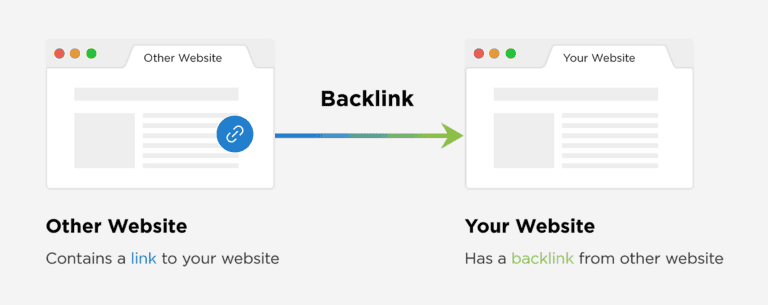
Testimonial link building means writing honest reviews for tools, services, or platforms you genuinely use, in exchange for a backlink when the company features your testimonial. It works because the link comes from real usage rather than a request for a favor, though it’s worth knowing that many established companies mark these links nofollow, so the value is often brand visibility and referral traffic as much as direct ranking impact.
When people think about buying a product or using a particular service, they don’t just take the company’s word for it because they want to know what other customers have to say. That’s why testimonials are always a great way for businesses to build trust with their customers.
Testimonials can do more than just help sell products; they can also assist with search engine optimization (SEO) by earning links from other websites that businesses already work with. These backlinks act as votes of confidence. Search engines, such as Google, see them as signs that a website is trustworthy and important. Even though SEO has changed a lot over the years, backlinks remain crucial for businesses operating in the digital space.
Testimonial Link Building
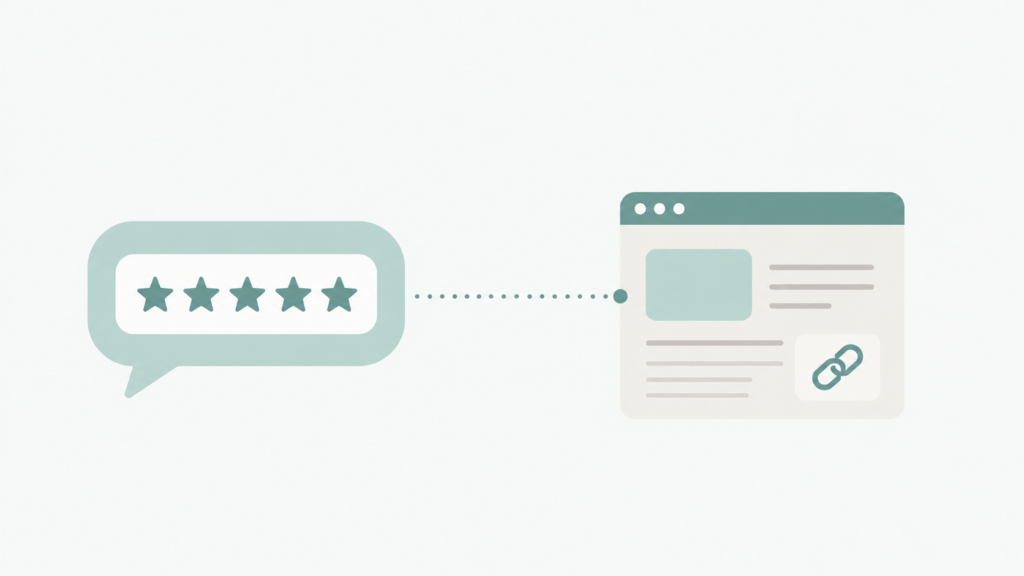
Testimonial link building is the process of earning backlinks by providing honest reviews for tools, services, or platforms that you genuinely use.
It is a strategy used by major companies. Ahrefs, for example, regularly features real customer testimonials on its homepage, with backlinks pointing back to the contributor’s own site. Executing this strategy is straightforward: simply ask people who use your product or service to provide testimonials, especially if those individuals or businesses have websites that can genuinely feature reviews.
What makes testimonial link building different is that the company gets to hear what real customers think, and you get to promote your business and your content. You earn these links because you genuinely used the product or service, not just because you wanted a link.
The best testimonial links come from companies within your industry. If you write a testimonial that is honest and helpful, it will be more powerful than one written solely to get a link. Testimonial link building is a natural way to get your business noticed and earn links to your website.
How Testimonial Link Building Works
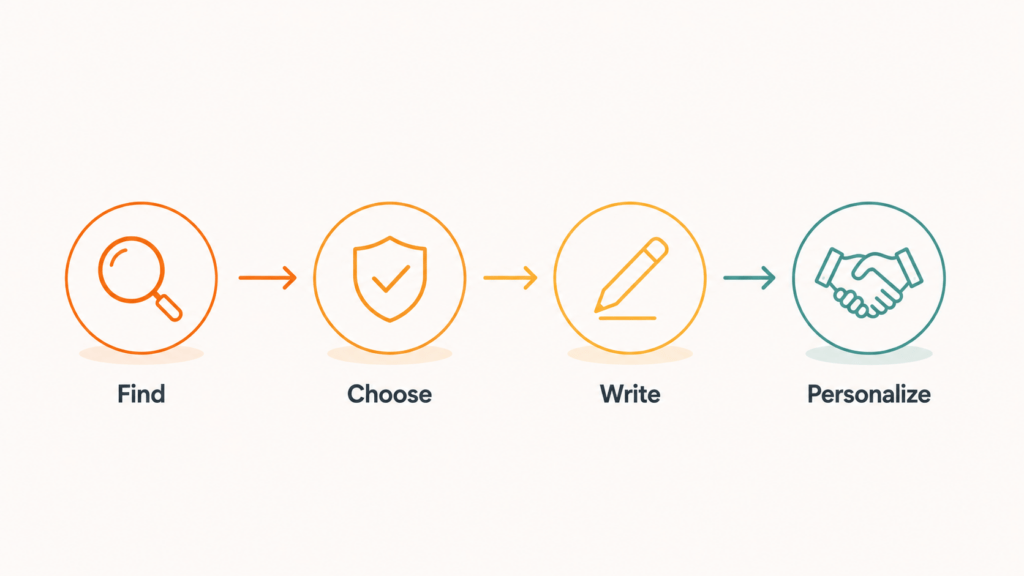
The idea of testimonial link building is simple: you share your experience with a product or service, and the company might feature your testimonial on their website with a link back to your business. However, the results you get depend on how you approach it.
When crafting your testimonial outreach, avoid relying solely on AI to write your messages. While AI can help with grammar, always infuse your message with specific details about your unique experience to ensure it doesn’t sound robotic or insincere.
1. Find Existing Companies and Products You Already Use
The best opportunities to provide testimonials come from companies you already work with. Think about the products or software that have improved your business.
For example, if your company uses an email marketing platform that enhanced your campaigns or a project management tool that improved your team’s workflow, these companies might be open to featuring your experience as a customer testimonial.
The important thing is to be authentic. A testimonial for a product you have never used will not sound genuine and will not help the company or their customers.
2. Choose Highly Trusted Websites
Not all testimonial opportunities are the same. A link from a website related to your industry that your audience trusts is usually more valuable than one from a site that is irrelevant.
When choosing partners, consider these questions: Is the company relevant to your business? Is the company’s audience similar to the customers you are trying to reach? Is the company’s website well-regarded on the internet?
For example, a technology company would benefit more from a link from a software provider it uses than from an unrelated website.
3. Write a Genuine Testimonial
A good testimonial is not just about saying something is great. Companies want to know how their product or service actually helped you, the customer.
Explain the problem you were trying to solve when you used the product or service, discuss how the product or service helped you, and describe the outcome.
A testimonial is more believable when you provide specific details.
4. Make Your Outreach More Personal
When you reach out to potential partners, do not send mass messages. Instead, take the time to explain why you like the company’s product, tell them how it has helped your business, and let them know you would be happy to share your experience.
This approach works because companies are more interested in hearing genuine customer stories than receiving messages focused solely on promotion or SEO.
Outreach Templates
To see the difference between a cold, robotic request and one that actually builds relationships, look at these two examples:
Robotic/Ineffective Example “Hi there, I really like your software. I am looking for backlinks for my SEO. Can you add a testimonial to your site and link to my website? Let me know.”
Personal/High-Value Example “Hi [Name], I’ve been using [Product Name] for the past six months to manage our remote team, and it’s genuinely made a difference: it helped us cut our weekly meeting time by 20%. I’d love to share a short testimonial or case study if you’re currently featuring customer stories on your site. If it’s a good fit, I’d appreciate a link back to our site. Here is a link to our current blog: [Link].”
5. Always Monitor and Track Your Links
After your testimonial is published, keep an eye on where it appears and ensure the link to your website is working. Use tools like Ahrefs to monitor how your links perform and support your website’s authority. It is also a good idea to stay in touch with companies you have provided testimonials for; as businesses grow, new opportunities may arise naturally.
Testimonial link building works best when you view it as a way to build relationships, not just a way to get links. The best results come from genuine experiences, relevant partnerships, and valuable contributions.
A Note on Dofollow vs. Nofollow Links
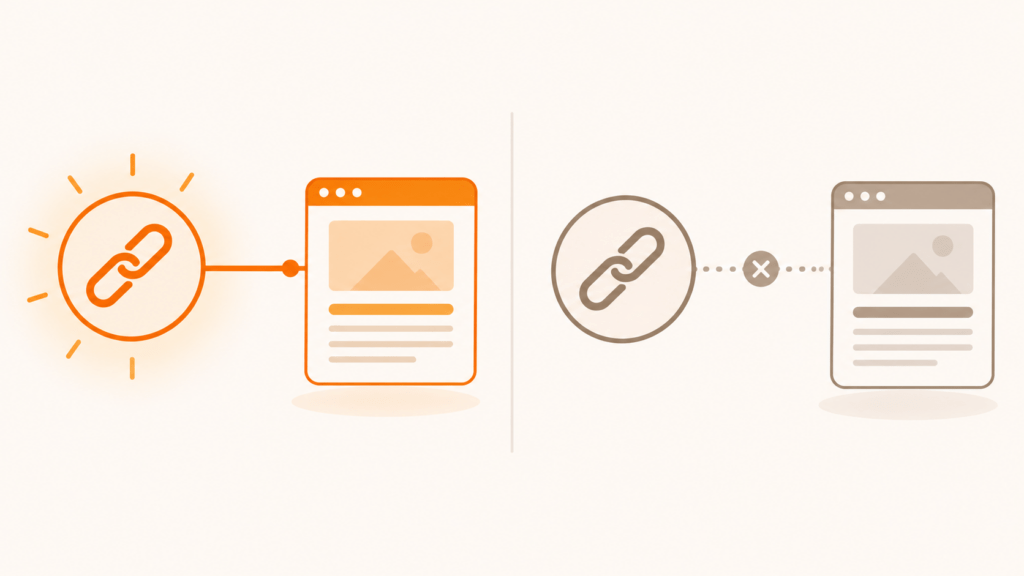
It’s worth setting expectations here. Larger, established companies with legal or SEO teams often mark testimonial links nofollow, meaning they don’t pass the same ranking weight as a standard link, largely to stay compliant with Google’s own guidance on qualifying outbound links. Smaller or newer companies are more likely to leave the default dofollow link in place.
That doesn’t make a nofollow testimonial link worthless. A placement on a high-traffic homepage still puts your brand in front of everyone who visits that page, and Google has said it treats these attributes as hints rather than strict rules, so some indirect value can still flow through. The realistic expectation is brand visibility and referral traffic first, with any direct ranking benefit as a bonus rather than a guarantee.
Why Testimonial Backlinks Matter for SEO
Testimonial backlinks are valuable because they combine recommendations with relevant link opportunities. They are distinct from outreach methods where you ask a website owner to publish new content.
Testimonials come from people who already know a business. When a company posts your testimonial, it often appears on pages showcasing customer feedback, pages that are already valuable to potential customers.
Consequently, your link can generate more than just SEO value, it can drive relevant referral traffic.
They Come From Relevant, Trusted Websites
A backlink’s value is determined by the website’s authority and relevance.
A testimonial link from a company you work with provides a natural connection between both websites.
For example, a marketing agency sharing a testimonial for an SEO software company may earn a backlink from a website related to its industry. This relevance helps search engines understand the relationship between the two businesses.
They Are Often Easier to Earn Than Traditional Outreach Links
Many link-building strategies require publishers to accept guest posts or add links to existing pages.
Testimonial link building is more straightforward because you are offering authentic feedback that helps the company build trust with potential customers. Businesses use their customers’ words as social proof, because real experiences sound more believable than company self-promotion.
Consequently, businesses are more willing to share their users’ testimonials.
They Help Build Long-Term Relationships
A testimonial is more than just a backlink opportunity; it can be the beginning of a professional connection. Companies might feature your testimonial in their marketing materials or look into collaborative opportunities, creating visibility that extends beyond the original link.
They Can Drive Targeted Referral Traffic
Testimonial links usually appear on pages where people are researching products or services. Therefore, the people who click on these links are likely interested in what you have to offer. This is why building links remains essential for SEO.
When done properly, it helps businesses earn backlinks, increase brand mentions, and build meaningful relationships.
Overcoming Common Obstacles
Rejection/Silence: If a partner doesn’t respond to your testimonial offer, follow up once after two weeks, but be prepared to move on. Don’t take it personally; their marketing priorities may have shifted.
Editorial Friction: Sometimes marketing teams prefer generic, “marketing-speak” testimonials. Counter this by offering to provide specific metrics or a mini-case study of your success, which provides more value to their readers than a generic quote.
Metrics: Move beyond just monitoring links. Track referral traffic and brand mentions using tools like Google Analytics or your CRM to measure the true ROI of your efforts.
Conclusion
Testimonial link building serves as a reminder that SEO is not just about getting links; it is about building genuine connections and providing value. When you share honest feedback about products or services you use, you help companies build trust and establish your own brand as an authority.
The best links come from authentic experiences, relevant partnerships, and businesses that value your input. These connections can lead to collaborations and long-term opportunities.
In 2026, testimonial link building remains a powerful strategy because it combines trust, credibility, and relationship-building. When you approach it with sincerity, everyone wins: the company, the customer, and the wider community. It is a vital SEO strategy that focuses on making real connections.
FAQ
How effective is testimonial link building for SEO? Testimonial link building is highly effective for SEO. It helps you acquire backlinks from trusted, relevant websites in your industry. The results depend on factors like the quality of the linking website, whether the link is dofollow or nofollow, and your overall SEO strategy.
How do I find opportunities to link-build? To start, look at the products, tools, and services your business already uses. Many companies have dedicated pages featuring customer testimonials. Search for these opportunities and focus on businesses where your experience is authentic and the audience is relevant to your brand.
What makes a testimonial good for link building? A good testimonial is specific and based on personal experience. Don’t just say, “This product is great.” Explain the challenge you faced, how the product helped you, and the results you achieved. Include your name, role, and company info to increase credibility.
Can small businesses use testimonial link building? Yes, small businesses can definitely use testimonial link building. It is not just for large enterprises. Small businesses can share their experiences with the tools, suppliers, and service providers they work with. These unique stories often make for highly valuable testimonials, and smaller companies are often more willing to leave the link dofollow.
Do testimonial links still help if they’re nofollow? Yes, though the benefit shifts. A nofollow testimonial on a high-traffic page still delivers brand exposure and referral clicks, and Google treats the nofollow attribute as a hint rather than an absolute rule, so some value can still pass through indirectly.