

Content marketing works best when it doesn’t feel like marketing at all. The strongest examples entertain, educate, or genuinely help an audience first, and let brand awareness follow as a side effect.
Here’s a breakdown of what content marketing actually means, followed by real examples of brands that have done it well, and what each one teaches about building a strategy that works.
What Is Content Marketing?
Content marketing is the practice of creating and distributing content, such as blog posts, videos, infographics, and social media posts, that doesn’t explicitly sell a product but builds interest in a brand by being genuinely useful or entertaining.
Done well, it builds rapport with an audience, establishes a brand as a credible source of information, and drives leads and sales as a result, rather than as the direct pitch.
Common content formats include:
- Blogging: articles, guides, and company updates published on a website
- Video marketing: tutorials, product demos, and entertaining short-form content
- Social media marketing: content shared on platforms like Instagram, TikTok, and LinkedIn
- Infographics: visual breakdowns of data or processes
- Podcasts: audio content, often interviews or discussions
- Email marketing: newsletters and campaigns sent to subscribers
If you’re just getting started, it helps to understand the basics of content marketing before studying examples. From there, here’s a look at brands executing it well.
20 Examples of Content Marketing Done Right
Canva’s Design School
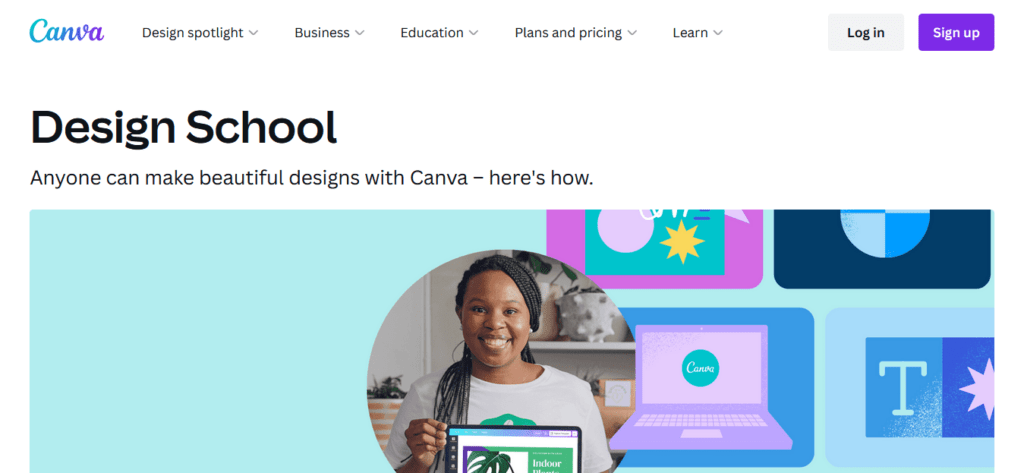
Canva built out an entire library of design tutorials and tips through its Design School, positioning the company as a resource for design education, not just a design tool. Canva has also run recurring social media challenges encouraging followers to recreate featured designs using its platform, generating user content while showcasing what the software can do.
Key takeaway: Publishing genuinely useful educational content in your industry builds authority, and inviting your audience to create their own content with your product extends your reach organically.
Spotify Wrapped
Spotify’s annual Wrapped campaign compiles each listener’s personalized data, their top artists, songs, and total listening time, into a shareable summary. It has become one of the most anticipated content marketing moments of the year, largely because users do the promotion themselves by sharing their results on social media.
Key takeaway: Personalized content that reflects something specific about the user, rather than generic messaging, drives far higher engagement and organic sharing.
Duolingo’s TikTok Presence
Duolingo built one of the most recognizable brand accounts on TikTok, growing from a few thousand followers to well over 17 million by leaning into humor, trend participation, and a recurring mascot character rather than direct product promotion. The account has gone through real ups and downs since its peak, a reminder that even a strong social strategy needs to keep evolving rather than repeating the same formula indefinitely.
Key takeaway: Entertainment-first content can build enormous reach, but sustaining it requires ongoing creative risk-taking, not just repeating what worked before.
HubSpot Academy
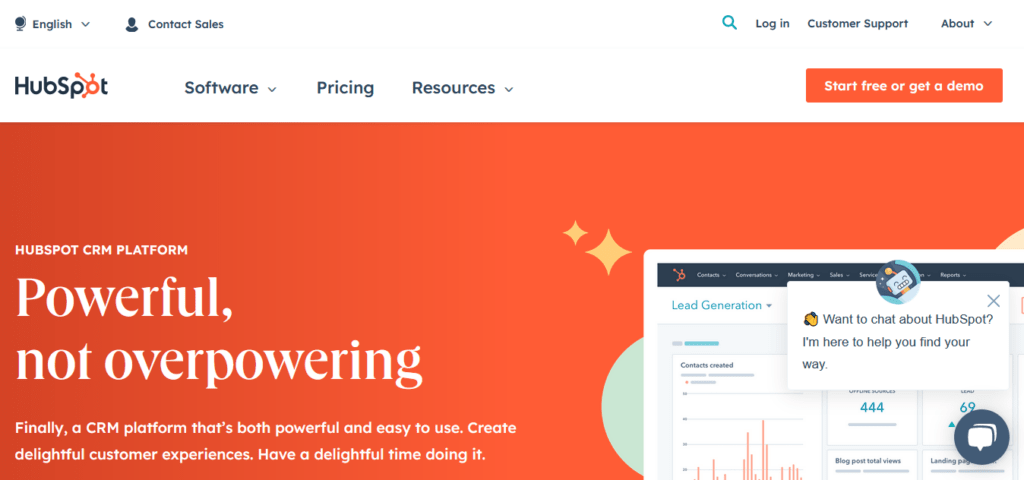
HubSpot built its reputation in content marketing partly through HubSpot Academy, a library of free courses and certifications covering marketing, sales, and customer service. By giving away genuinely useful education, HubSpot positions itself as an authority that companies turn to when they’re ready to buy software.
Key takeaway: Free, high-quality educational resources can be one of the most effective top-of-funnel content strategies, especially in industries where buyers need to build expertise before purchasing.
BlendTec’s “Will It Blend?”
BlendTec’s YouTube series showing its blenders pulverizing objects like phones and marbles turned a fairly ordinary product demo into genuinely entertaining content. The series built a loyal following and became closely associated with the brand’s identity.
Key takeaway: Demonstrating a product’s capability in an unexpected, entertaining way can outperform a conventional product demo by a wide margin.
Red Bull Media House
Red Bull took content marketing further than almost any other brand by building an entire media division. Red Bull Media House produces sports, music, and lifestyle content that has little to do with energy drinks directly, distributing it through its own channels, a magazine, and streaming platforms.
Key takeaway: A brand doesn’t have to constantly mention its product to build brand equity. Becoming a genuine source of entertainment or information in a space your audience already cares about can build loyalty that direct advertising never could.
GoPro’s User-Generated Content Strategy
GoPro built much of its marketing around content its own customers create. The brand curates and features user-submitted photos and videos on its website, YouTube channel, and social accounts, and runs an annual awards program that rewards top submissions with cash and gear.
Key takeaway: When a product is genuinely built for capturing great moments, the most convincing marketing often comes from letting customers show what it can do, rather than producing every piece of content in-house.
Amazon’s In-Garage Delivery Content
Amazon has used its Key In-Garage Delivery service, which lets couriers securely deliver packages inside a customer’s garage, as a way to highlight both innovation and a direct solution to package theft, a real and growing concern for online shoppers.
Key takeaway: Content built around solving a specific, relatable customer pain point tends to resonate more than content that’s purely promotional.
Neutrogena’s Creator Studio
Neutrogena launched a platform inviting influencers and everyday content creators to share their experiences with its products, with the chance to be featured on the brand’s own channels or included in sponsored campaigns.
Key takeaway: Inviting creators to generate authentic content on your behalf can produce more relatable marketing than in-house production alone, while also surfacing real customer feedback.
Buffer’s Blog and Educational Content
Buffer, a social media management tool, built a loyal following through consistent, genuinely useful blog content on social media strategy, paired with visual content like infographics and video tutorials.
Key takeaway: Consistency matters as much as quality. A steady publishing rhythm on topics your audience actually cares about builds long-term organic reach.
The Washington Post on TikTok
The Washington Post uses short, engaging videos to cover news headlines and current events on TikTok, making news more digestible for a younger, mobile-first audience.
Key takeaway: Adapting long-form or traditional content into short, platform-native formats can reach audiences who wouldn’t otherwise engage with your brand.
Apple’s “Shot on iPhone” Campaign
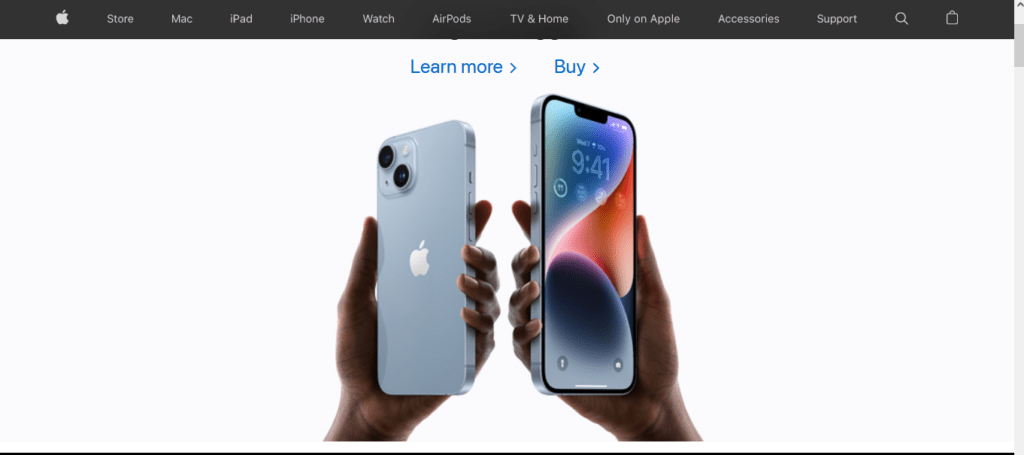
Apple’s long-running campaign showcases photography taken entirely on iPhones, often through public photography challenges where winning entries are featured across Apple’s own marketing channels, stores, and public exhibitions.
Key takeaway: User-generated content can double as some of the most credible product marketing available, since it’s proof from real users rather than a brand’s own claims.
Venngage’s Free Tools
Venngage, a design platform for infographics and reports, offers a free tier that lets people try the product before committing to a paid plan.
Key takeaway: Letting your audience experience your product’s value directly, rather than just reading about it, is itself a form of content marketing.
American Express’s Small Business Content Hub
American Express built what’s now one of the longest-running examples of B2B content marketing with its small business resource hub, originally launched as OPEN Forum in 2007. Rather than promoting its cards directly, the hub publishes articles and videos on topics like managing money, getting customers, and building a team, written largely by outside experts rather than in-house staff.
Key takeaway: Bringing in credible outside voices instead of only publishing brand-written content can make educational resources feel more trustworthy, especially in industries like finance where audiences are naturally skeptical of self-serving advice.
MINDBODY’s Education Content Hub
MINDBODY built an education hub aimed specifically at gym owners and fitness professionals, featuring blog content, podcasts, and videos focused on helping that audience grow their businesses.
Key takeaway: Content built specifically for your customer’s business goals, rather than generic industry content, builds deeper trust and positions your brand as a genuine partner.
Crunchyroll’s Fan-Focused Content
Crunchyroll builds content around the specific franchises and characters its audience already loves, including behind-the-scenes footage and creator interviews, rather than generic streaming service marketing.
Key takeaway: Speaking directly to a niche audience’s existing passions tends to build stronger loyalty than broad, general-interest content.
Airbnb’s Design Personality Quiz
Airbnb partnered with Domino magazine on an interactive quiz connecting design personality to travel style, tapping into its audience’s existing interest in interior design rather than pitching bookings directly.
Key takeaway: Interactive content, like quizzes, gives your audience a reason to engage actively rather than passively consume, while still tying back to your core offering.
LEGO Ideas
LEGO built a platform where fans submit their own set designs and vote on which ones deserve to become official products. Winning designs go into production, with the original creator credited and compensated.
Key takeaway: Turning your audience into active collaborators, not just an audience for your content, can build a level of loyalty that traditional content marketing alone can’t match.
Morning Brew’s Newsletter Growth
Morning Brew built a large, loyal readership around a business news newsletter with a distinct, conversational voice, paired with a referral program that rewarded subscribers for bringing in new readers.
Key takeaway: A strong, consistent voice can be as much of a differentiator as the content itself, and turning existing subscribers into a distribution channel through referral incentives can drive organic growth that paid acquisition can’t match as efficiently.
Indeed’s “New Beginning” Campaign
Indeed’s video campaign followed a job candidate preparing for an interview and discussing workplace inclusivity, using storytelling to reflect the brand’s values rather than directly promoting its job search platform.
Key takeaway: Content that reflects a brand’s values on a genuine social issue, when handled thoughtfully, can build deeper brand affinity than product-focused advertising.
What Are the Benefits of Content Marketing?
Content marketing supports several outcomes at once:
- Traffic and SEO. Well-optimized content drives organic traffic and improves search visibility over time.
- Authority and trust. Consistently useful content positions a brand as a credible source, which builds long-term customer trust.
- Lead generation. Gated resources and clear calls-to-action turn content readers into identifiable leads.
- Customer retention. Ongoing helpful content keeps a brand relevant to customers even after the initial sale.
How Do You Apply These Examples to Your Own Strategy?
Not every business needs a viral TikTok account or a Spotify-sized dataset to build effective content marketing. What these examples share is a consistent focus on the audience’s actual interests, whether that’s education, entertainment, or a solution to a real problem, rather than a direct sales pitch.
Start by identifying what your audience already cares about, then build content around that interest area. From there, choosing the right content formats for your audience matters more than trying to copy any single brand’s exact tactics.
Bottom Line
The brands behind these examples succeeded by treating content as a way to genuinely serve their audience first. Whether that’s through humor, education, personalization, or storytelling, the through-line is the same: content that provides real value earns attention that a direct pitch never could.
Frequently Asked Questions
What is content marketing? Content marketing is the practice of creating and sharing content that provides value to an audience, such as blog posts, videos, or social content, without directly pitching a product, in order to build trust and drive long-term business results.
What makes a content marketing campaign successful? Successful campaigns tend to focus on genuine audience value, whether through entertainment, education, or personalization, rather than direct promotion, and are consistent enough to build recognition over time.
Do small businesses need the same content marketing budget as big brands? No. Many of the strategies behind these examples, like consistent blogging, educational content, or user-generated campaigns, can be scaled down for smaller budgets. What matters more than budget is consistency and relevance to your specific audience.