


Affiliate content marketing is the practice of creating and publishing content that promotes other companies’ products or services in exchange for a commission on resulting sales or leads. It is not a niche tactic anymore. The global affiliate marketing industry is valued at approximately $17 to $18.5 billion in 2025 and is projected to exceed $20 billion in 2026, according to Post Affiliate Pro’s 2025 industry analysis. Over 80% of brands now run affiliate programs, and more than 81% of advertisers rely on affiliate partnerships as part of their broader marketing mix.
There’s a lot of noise online about how somebody somewhere made thousands through affiliate marketing. That is not fiction, but it is also not the full story. Affiliate content marketing can absolutely be a lucrative channel, but the money goes to people who treat the content seriously, not as an afterthought to the affiliate link. The content is the work. The commission is the result.
This guide covers everything you need to understand about affiliate content marketing: how it works, what types of content convert, what mistakes to avoid, and how to measure whether it’s actually working.
How Affiliate Content Marketing Works
Affiliate content marketing is a form of performance-based marketing where you promote another company’s products or services through content you create, such as blog posts, videos, email campaigns, or social media updates, and earn a commission when someone purchases through your affiliate link.
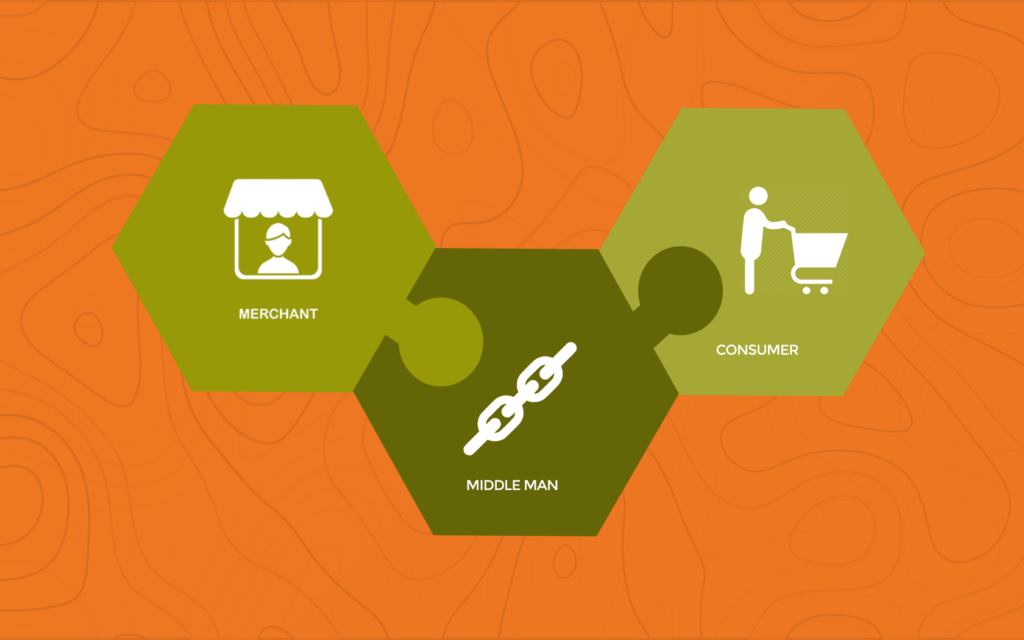
The relationship involves three or four parties. The merchant is the business that creates and sells the product. The affiliate is the content creator who promotes it. The consumer is the end user who makes the purchase. And in many cases, an affiliate network sits between the merchant and the affiliate, managing the program infrastructure, tracking, and payments.
The merchant sets up the affiliate program and determines the commission structure and rules. The affiliate promotes the product through their own content channels using a unique tracking link. When a consumer clicks that link and makes a purchase, the merchant pays the affiliate a commission. According to the FTC’s disclosure guidelines, affiliates are required to disclose their commercial relationship to consumers clearly, which means a visible disclaimer on any content containing affiliate links.
Affiliate content marketing is different from pure affiliate marketing in one important way: the quality and strategy behind the content is the primary variable that determines success or failure. Anyone can paste an affiliate link somewhere. Creating content that genuinely helps people make informed decisions, earns their trust, and naturally leads them to a conversion is the actual skill.
The Merchant
The merchant or seller can be a large enterprise, an SME, or a solo entrepreneur with a product or service to market. They set up the affiliate program, determine the commission structure, and establish the terms and conditions that govern how affiliates can promote their products. The merchant is not typically involved in the affiliate’s content creation process, though some programs provide promotional resources to help affiliates get started.
The Affiliate Marketer
The affiliate marketer promotes the merchant’s products or services through their own content channels in exchange for a commission on each resulting sale or qualified lead. They are responsible for finding their own audience, building trust with that audience, and creating content that earns conversions. Affiliates are typically compensated based on pay-per-click (PPC), pay-per-lead (CPL), or pay-per-sale (CPS) models.
The Consumer
The consumer is the end user who completes the affiliate marketing chain by making a purchase or taking a desired action. The consumer’s trust in the affiliate, and in the affiliate’s content, is what makes the conversion happen. Without trust, affiliate links are just links. With trust, they convert at meaningful rates.
Types of Affiliate Marketing
Unattached Affiliate Marketing
In unattached affiliate marketing, the affiliate has no particular connection to or expertise in the products they promote. They typically create broad review or comparison content across a category of products without a personal stake in any of them. Because their reputation is not tied to the products, they are generally not the most persuasive advocates, but they can generate volume-based returns at scale.
Involved Affiliate Marketing
Involved affiliate marketing is where the affiliate has genuinely used the product they are promoting and can speak to it from personal experience. Their reputation is directly tied to the products they recommend, which means their endorsements carry significantly more weight with their audience. This is the model that tends to produce the highest conversion rates because the trust is earned rather than implied.
Related Affiliate Marketing
Related affiliate marketing sits between the two. The affiliate has not necessarily used the specific product but operates in the same niche or industry and has enough relevant expertise to review it credibly. A project manager reviewing project management software, or a fitness professional reviewing workout equipment, is a related affiliate. Their audience trusts their category expertise even without direct personal use of every product they cover.
Affiliate Marketing Concepts
Affiliate Network Marketing
An affiliate network is a platform that aggregates multiple affiliate programs from different merchants in one place. Affiliates join the network, browse available programs, apply for the ones they want to promote, and receive their unique tracking links from within the platform. Well-established networks include Amazon Associates, ClickBank, and Refersion. Networks handle the administrative layer of tracking, attribution, and payment processing that would otherwise fall to each merchant individually.
Affiliate Marketing Management
Affiliate marketing management involves running the mechanics of an affiliate program: recruiting affiliates, providing them with promotional materials, tracking performance, ensuring compliance with program rules, and issuing payments. Affiliates benefit when programs are well-managed because it typically means better tracking accuracy, faster payments, and more support. Affiliate marketing management platforms that help merchants and managers run programs efficiently include Refersion, Rewardful, Voluum, and Wecantrack.
Affiliate Search Engine Marketing
Affiliate search engine marketing involves creating SEO-optimized content, including blog posts, guides, and videos, that targets search queries related to the products being promoted. When someone searches for those queries and finds the affiliate’s content, they read it, and if the content earns their trust, they click through and convert. This is the most durable and cost-efficient form of affiliate content marketing because the organic traffic compounds over time rather than requiring ongoing ad spend to sustain.
Benefits of Affiliate Content Marketing
Benefits to Merchants
High return on investment. Setting up an affiliate program costs relatively little compared to running direct advertising campaigns of comparable reach. The cost of promotion is effectively transferred to affiliates, who only get paid when they deliver results. This performance-based structure makes affiliate marketing one of the lowest-risk channels available for merchants.
Low-cost advertising. Merchants do not pay affiliates for impressions, clicks, or content creation. They pay only for actual conversions, which means the cost of building awareness across a large affiliate network is essentially zero until a sale happens.
Reputation and reach expansion. Affiliate marketing puts a merchant’s products in front of audiences they would not organically reach through their own channels. When credible affiliates promote a product, that credibility transfers to some degree, giving the merchant an implied endorsement from voices their new audience already trusts.
Increased traffic and conversion. Affiliate links drive targeted traffic from audiences that are already primed by the affiliate’s content. This pre-qualified traffic converts at higher rates than cold advertising traffic because the buyer has already been educated and nudged toward the purchase before arriving at the merchant’s page.
Competitive advantage. A well-built affiliate network means dozens or hundreds of voices promoting your products simultaneously. That scale of presence is difficult and expensive to achieve through direct marketing alone.
Benefits to Affiliate Content Creators
Performance-based income. Affiliate marketing is meritocratic. The affiliates who produce the most genuinely helpful content, build the largest audiences, and earn the most trust generate the most commissions. While there is no guarantee of returns, the model rewards real effort and real quality in a way that many income models do not.
Flexibility. Affiliate content marketing can be built and managed from anywhere, at whatever pace suits your content production capacity. You can switch programs if one stops performing well. You can expand into new niches without significant switching costs. The business model itself is inherently flexible.
Valuable data and insights. Affiliate dashboards give content creators unusual visibility into what their audience actually buys. That data reveals which topics and product categories resonate most with your readership, which is invaluable for content strategy decisions beyond affiliate marketing.
Valuable industry partnerships. Building affiliate relationships with reputable companies in your niche creates professional connections and opens doors to partnerships, sponsored content opportunities, and collaborative projects that go beyond the commission.
Additional income stream. Once a content library is built and ranking, affiliate income can continue generating returns with relatively low ongoing maintenance. Not without effort, but substantially less effort per dollar earned than the upfront investment required to build it. This is the “passive income” reality of affiliate content marketing: it is not passive to create, but it can become partially passive once it is established.
Low barrier to entry. You do not need capital, inventory, or special qualifications to start affiliate content marketing. You need the ability to create content, a platform to publish it, and the patience to build an audience that trusts your recommendations.
Benefits to Consumers
Wider range of options. Affiliate content helps consumers discover products and services they might not have found through direct brand advertising alone, particularly for niche categories where brands have limited marketing reach.
Access to honest assessments. The best affiliate content comes from creators who have genuinely used and evaluated the products they cover. That independent perspective is something brand-owned content structurally cannot offer.
Informed decision-making. Comprehensive affiliate content, including product reviews, comparisons, and roundups, allows consumers to evaluate options thoroughly before purchasing rather than relying on brand claims alone.
Reduced research time. A well-produced affiliate article or video aggregates the research that a consumer would otherwise have to do themselves across multiple sources. That time saving is real and valuable.
What You Should Know Before You Start
Affiliate Marketing Requires Real Investment
Creating quality affiliate content is not free, even if you are a solo operator. It costs time, and often money for tools, software, and potentially freelance support. Video production, graphic design, SEO tools, email marketing software, and website hosting all have costs attached. Be realistic about the full investment required before you start, not just the potential upside.
It Takes Significant Time to See Returns
Affiliate content marketing, particularly when built on organic search traffic, takes months before it produces meaningful returns. Most content takes three to six months to rank in search engines. Building an audience that trusts your recommendations takes longer. If you need income quickly, affiliate content marketing is not the right vehicle for that. If you are willing to invest consistently over 12 to 24 months, the compounding returns can be substantial.
SEO Challenges Are Real but Manageable
Search engines are sophisticated enough to identify content that exists primarily to generate commissions rather than to genuinely help readers. Google’s helpful content guidelines are explicit: affiliate content can rank well and be treated as legitimate content as long as it provides genuine value to the reader. Thin affiliate pages stuffed with links and minimal original insight will not rank. Comprehensive, genuinely helpful content that happens to include affiliate links absolutely can and does. The standard is high but achievable.
Revenue Is Never Guaranteed
Affiliate marketing income is inherently variable. There is no fixed salary, no guaranteed minimum, and no certainty that a conversion rate you achieve this month will hold next month. Successful affiliate marketers accept this variability and build their content programs with enough volume and diversification that a single program change does not collapse their income.
You Do Not Control the Program
As an affiliate, you are subject to the merchant’s rules, commission structures, and program decisions. Merchants can change their commission rates, add restrictions to what affiliates can promote or how, or close their programs entirely with minimal notice. Diversifying across multiple programs and building your own audience assets, particularly an email list, provides protection against the downside of any single program change.
Competition Is Significant
Affiliate marketing in any established niche is competitive. Top performers earn substantial income, but the top 10% capture a disproportionate share of the available commissions. Building a genuine niche authority, consistently producing higher-quality content than competitors, and choosing programs with strong commission structures and products your audience genuinely needs are the variables that determine whether you end up in the top tier or the middle.
Types of Content for Affiliate Marketing
Product Reviews
Product reviews are the backbone of most affiliate content strategies. They work because they directly address the questions buyers are asking at the decision stage of the purchase process: Is this product right for me? Does it do what it claims? Is it worth the price?
A great affiliate product review goes beyond listing features. It provides honest assessment of strengths and weaknesses, real context from personal use or thorough research, comparisons to alternatives, and a clear recommendation for who should and should not buy the product. The reviews that convert best are the honest ones, not the most enthusiastic ones.
Product Comparisons
Comparison content puts two or more products side by side against a defined set of criteria. This format works particularly well because it directly serves buyers who have already narrowed their options and are in the final evaluation stage. Your job in comparison content is to make the evaluation as easy as possible by choosing fair criteria, applying them consistently, and presenting the results clearly.
Product Roundups
A product roundup covers a group of related products in a single piece of content. “The 10 Best Project Management Tools for Remote Teams” or “The Best Budget Mechanical Keyboards in 2026” are classic roundup formats. They capture broad search traffic from people who have not yet decided on a specific product, and they give affiliates the opportunity to include multiple affiliate links within a single content asset.
Blog Posts and Long-Form Guides
Blog content is the foundation of most successful affiliate content programs. Long-form guides, tutorials, and educational articles that naturally include affiliate recommendations within genuinely helpful content perform well in organic search and convert readers at higher rates than short, thin content. A guide that teaches someone how to set up a home recording studio, with honest recommendations for the equipment you would actually buy, is far more valuable to a reader than a bare product list.
Videos
Video affiliate content has grown substantially in the affiliate marketing ecosystem, particularly on YouTube. Product review videos, unboxing content, tutorial videos, and comparison content all perform well as video formats. Videos also benefit from being distributable across multiple platforms and from the higher trust many viewers place in seeing a product demonstrated rather than just described.
Email Campaigns
Email is one of the most effective channels for affiliate marketing, particularly for affiliates who have built a segmented list of subscribers with known interests. Direct email campaigns that include affiliate links to relevant products can generate significant conversion rates because the audience is already engaged and has explicitly opted in to hear from you. Segmenting your list by interest allows you to promote the most relevant products to the people most likely to want them.
Seasonal and Timely Content
Content tied to specific seasons, holidays, or events, such as Christmas gift guides, Back to School roundups, Black Friday deal roundups, or Valentine’s Day product recommendations, generates concentrated bursts of highly commercial traffic at exactly the moment buyers are actively looking to purchase. Seasonal affiliate content should be built out well in advance of the relevant period and updated annually to maintain freshness and search rankings.
Tutorials and How-To Content
Tutorial content that teaches readers how to accomplish something using a product you are promoting is one of the most naturally converting affiliate formats because it demonstrates the product’s value through use rather than just describing it. A tutorial about how to edit photos in a specific software application, written by someone who genuinely uses the tool, converts more reliably than a traditional product review because it removes the hypothetical from the buyer’s decision.
Podcasts
Podcasts have become a meaningful affiliate channel, with mid-roll host-read sponsorships and genuine product mentions converting at strong rates for hosts with loyal, trusting audiences. Podcast affiliate content works because the relationship between a podcast host and their audience is built on extended, regular contact that creates a level of trust hard to replicate in written content.
Ebooks and Downloadable Guides
Comprehensive ebooks or downloadable guides can serve as both content assets and lead magnets while including affiliate recommendations where naturally relevant. An ebook on building a freelance design business might include affiliate links to software, equipment, and online learning platforms the author genuinely recommends. The extended format allows for thorough recommendation context that builds stronger purchase intent than a brief mention.
Deals, Coupons, and Gift Guides
Deals and coupon content captures a specific segment of highly purchase-intent buyers who are explicitly searching for a better price on something they have already decided to buy. Gift guides aggregate products around a gifting occasion or recipient type, which has strong seasonal traffic potential and allows for multiple affiliate inclusions in a single piece of content.
Case Studies and Social Proof Content
Case studies showing how a product helped solve a real problem for a real person are among the most persuasive affiliate formats available. They combine specificity, social proof, and narrative in a way that abstract product descriptions cannot match. If you have genuine examples of products producing measurable results in your own work or that of people you know, case study content built around those examples converts extremely well.
Tips for Creating Effective Affiliate Marketing Content
Write Content Your Audience Actually Wants to Read

Affiliate content that exists purely to generate commissions, with thin writing wrapped around a product link, does not convert and does not rank. Write content that you would want to read yourself if you were researching the product being covered. That means genuine research, honest assessments, specific detail, and clear takeaways.
When selecting topics, use keyword research to identify what your audience is actually searching for. Tools like Google Ads Keyword Planner, Ahrefs, and SEMrush help you identify the specific queries your content needs to answer, including long-tail keyword opportunities with lower competition and higher purchase intent. For a deeper look at finding the right keywords, see our guide to long-tail keywords.
Stay Current on Industry Trends

The affiliate marketing content that holds top rankings and generates consistent traffic is content that stays updated. Products change. Better alternatives emerge. Pricing shifts. Writing about the latest developments in your niche, revisiting older content to update it when things change, and staying on top of what your audience is currently interested in are all habits that separate affiliate content programs that sustain results from those that peak and decay.
Research Thoroughly Before You Publish

Inaccurate affiliate content is worse than no content at all. If your recommendation turns out to be wrong, or your product description is misleading, you lose the audience’s trust and, with it, the commercial relationship that makes affiliate marketing work. Research every product you cover thoroughly. Verify specifications, test products where possible, and check current pricing and availability before you publish or update content.
Choose the Right Affiliate Programs

The affiliate program you join has a direct effect on how much your content earns and how sustainable the income is. Evaluate programs based on their niche alignment with your content (promoting irrelevant products erodes audience trust), their commission structure (recurring commissions from SaaS products often outperform one-time commissions from physical products over time), their terms and conditions (some programs have restrictive rules that limit how you can promote), and their tracking and payment reliability.
Some of the most widely used and reliable affiliate programs include Amazon Associates, eBay Partner Network, Shopify Affiliate Program, ClickBank, and Rakuten Marketing Affiliates. You can and should join multiple programs to diversify your income across products and protect against any single program changing its terms.
Be Transparent About Your Affiliate Relationships
Disclose your affiliate relationships clearly and consistently. This is both an FTC legal requirement and a trust-building practice. Readers who know you receive a commission if they purchase through your link do not automatically distrust your recommendation. What they do distrust is discovering that relationship was hidden from them. A simple, prominent disclosure at the top of any content containing affiliate links is all that is required and all that is needed.
Be Honest in Your Recommendations
Only promote products you genuinely believe in or would recommend based on thorough research. The short-term financial gain from promoting a poor-quality product is not worth the long-term erosion of your audience’s trust. Your content program’s value lies in your audience’s willingness to act on your recommendations. That willingness is built or destroyed by the quality and honesty of those recommendations over time.
Use Multiple Channels to Distribute Your Content
Strong affiliate content distributed through a single channel leaves significant conversion potential on the table. Use social media to amplify your content, email marketing to reach subscribers who have already opted in to hear from you, and paid advertising to test new content quickly or amplify proven top performers. Google Ads can be particularly effective for driving traffic to high-conversion affiliate pages around specific purchase-intent queries. Diversifying your distribution means no single algorithm change or platform policy shift can eliminate your traffic overnight.
Track Everything
Without tracking, you cannot improve. Set up Google Analytics and Google Tag Manager on your affiliate site from day one. Track which content pieces generate the most clicks, which generate the most conversions, and which produce the highest earnings per visitor. Use that data to double down on what works and eliminate or improve what does not.
Affiliate Content Marketing Mistakes to Avoid
Not Planning Before You Start
Jumping into affiliate content marketing without a clear strategy for your niche, your target audience, your content types, and your distribution channels is the most common reason people fail. Invest time upfront to understand who you are creating for, what problems your content will solve for them, and which products genuinely match their needs. Without that foundation, you’re guessing at everything.
Choosing the Wrong Programs
Not all affiliate programs are created equal. Some have uncompetitive commission rates. Some have restrictive terms that limit how you can promote their products. Some have poor tracking that means you lose credit for conversions you generated. Research your options carefully, compare commission structures across programs in your niche, and read the terms and conditions before committing.
Targeting the Wrong Audience
Content that tries to appeal to everyone converts for no one. Define your target audience precisely, understand what they are genuinely trying to accomplish, and create content that speaks directly to their situation. The more specifically you understand who your reader is, the more precisely you can match products to their actual needs, which is what drives conversion.
Ignoring Your Competition
Affiliate marketing in any established niche is genuinely competitive. Identify the top performers in your niche, analyze what makes their content rank and convert, and determine how you can produce something better. Emulating and improving on what already works is a proven content strategy, and it is more efficient than trying to invent an approach from scratch.
Producing Low-Quality Content
This cannot be overstated. Poor quality affiliate content does not rank, does not earn trust, and does not convert. Quality means thorough research, accurate information, clear writing, honest assessment, and a genuine attempt to help the reader make the best possible decision. Nothing about affiliate marketing changes that standard.
Neglecting SEO
Organic search is the most durable long-term traffic source for affiliate content. Without keyword research and proper on-page optimization, even excellent content will not be found by the people it was written for. Research your target keywords before you write, use them naturally throughout your content, build internal links between related articles, and earn external links by producing content worth citing.
Ignoring Social Media and Paid Distribution
Relying entirely on organic search for affiliate traffic is a slow start. Social media distribution and strategic paid promotion can accelerate early traction significantly. Facebook, now with approximately 3 billion monthly active users, LinkedIn, YouTube, Instagram, and TikTok all offer opportunities to reach new audiences and drive traffic to your affiliate content. Use them.
Not Tracking Results
If you are not tracking which content generates which results, you are optimizing blind. Set up proper analytics from day one and review your data regularly. The affiliates who grow fastest are the ones who find out quickly what is working and redirect their effort accordingly.
How to Measure the Success of Affiliate Content Marketing
Organic traffic and traffic trends. The volume of organic search traffic your affiliate content attracts is one of the clearest signals of whether your content strategy is working. Growing organic traffic means your content is ranking, which means it is being seen.
Click-through rate on affiliate links. This tells you what percentage of readers who consume your content are clicking your affiliate links. A low click-through rate suggests either that your calls to action are not compelling enough, the product is not a good fit for the audience reading the content, or the content is not building sufficient trust to drive action.
Conversion rate. The percentage of people who click your affiliate link and then complete the purchase. This metric is partly outside your control (it depends on the merchant’s landing page and offer), but your content can significantly influence it by pre-qualifying the buyer and addressing their objections before they arrive.
Earnings per visitor (EPV). This combines traffic, click-through rate, and conversion rate into a single metric that tells you how much revenue each visitor to a given piece of content generates on average. It is the most practical single metric for comparing the commercial performance of different content pieces.
Total affiliate commissions earned. The bottom-line metric. Track this by program, by content type, and by channel to understand where your affiliate content investment is generating the strongest returns.
Frequently Asked Questions
What is affiliate content marketing?
Affiliate content marketing is the practice of creating and publishing content that promotes other companies’ products or services, with the affiliate earning a commission on resulting sales or leads generated through their unique tracking links. Content formats include blog posts, reviews, comparison articles, videos, email campaigns, and social media posts.
How much can you earn from affiliate content marketing?
Earnings vary enormously based on niche, traffic volume, conversion rate, and commission structure. According to 2022 industry data from Coupon Affiliates, successful publishers earned an average of approximately $65,000 annually. Top performers in high-commission niches such as SaaS, finance, and travel consistently earn significantly more. Entry-level earnings in the first 12 months are typically modest as traffic and trust build.
How do you start affiliate content marketing?
Start by choosing a niche you have genuine knowledge or interest in. Build a platform, typically a blog or YouTube channel, where you will publish content. Join affiliate programs relevant to your niche through direct application or affiliate networks like Amazon Associates, ClickBank, or Rakuten. Create genuinely helpful content that naturally incorporates affiliate links. Invest in SEO to drive organic traffic. Track your results and optimize based on what is converting.
How do you disclose affiliate relationships?
The FTC requires that affiliates disclose their commercial relationships clearly and conspicuously, in a place readers will see before they click a link. A brief disclosure statement at the top of any content containing affiliate links, such as “This article contains affiliate links. If you purchase through these links, I may earn a commission at no extra cost to you,” satisfies this requirement.
Is affiliate content marketing the same as influencer marketing?
There is significant overlap, but they are not identical. Influencer marketing typically involves a brand paying a creator upfront for promotional content regardless of conversion results. Affiliate marketing is performance-based: the affiliate earns only when conversions happen. Many influencers now use affiliate programs alongside brand deal income, blending both models in their content.
What types of content work best for affiliate marketing?
Product reviews and product comparisons are consistently the highest-converting affiliate content formats because they target buyers at the decision stage of their purchase journey. Long-form educational guides, tutorials, and roundup posts are effective for capturing early-stage research traffic and building audience trust that converts over time. Email campaigns to segmented subscriber lists also convert at notably high rates for affiliates with engaged audiences.
Conclusion
Affiliate content marketing is “the how” of affiliate marketing, as the original article on this topic rightly put it. Without content, affiliate links are invisible. Without good content, they are ineffective. The commission is the reward for creating something genuinely useful.
The affiliates who build lasting income from this model are not the ones who find the fastest path to a link click. They are the ones who take the time to understand their audience, create content those people actually want to read, recommend products they genuinely believe in, and measure their results closely enough to keep getting better at it.
That combination of content quality, audience trust, and consistent improvement is what turns affiliate marketing from a side experiment into a real revenue channel.
If you want help building a content strategy that supports affiliate growth alongside your broader business goals, the Contentika team is here to help.