
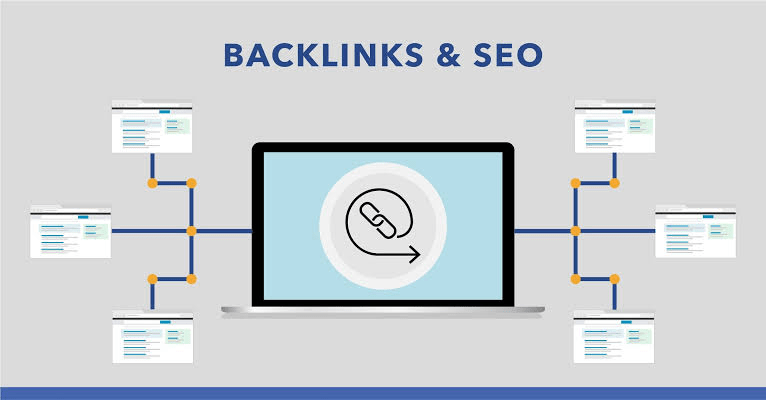
Backlinks still remain one of the most important parts of SEO till today because they help search engines understand how trustworthy and really valuable a website is. Although not all backlinks work in the same way, some links can actually pass authority and strengthen a website’s ability to rank, while others mainly help with just visibility, referral traffic, and building a simple natural online presence.
This difference comes down to two commonly discussed types of links: DoFollow and NoFollow links.
Over the years, marketers have debated on whether DoFollow links are far more valuable and whether NoFollow links are really worth pursuing. While DoFollow links are always prioritised more during link-building campaigns, NoFollow links still play a very important role when it comes from a relevant and very trusted source.
Understanding how these link attributes work can easily help businesses, marketers, and also SEO professionals create a smarter backlink strategy, to avoid commonly made mistakes, and help focus them earn links that can genuinely support long-term growth.
In this guide, we’ll explain the differences between NoFollow and DoFollow links, how Google handles and treats them in 2026, and lastly when you should use each of the links properly.
Why Links Matter in SEO
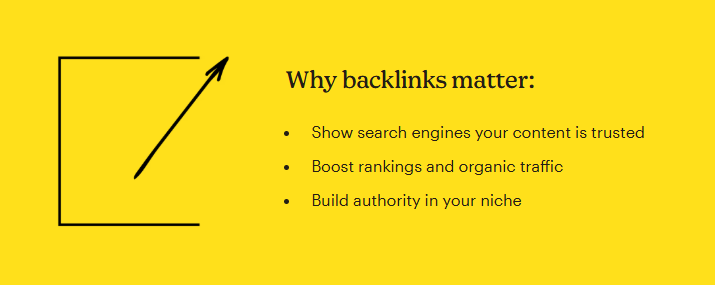
Generally, links act as connections between different pages and websites across the whole internet. For search engines, these connections help to provide clues about how contents are related, how websites are really structured, and which pages may be valuable to customers or users.
One of the most important types of links in SEO today is a backlink. A backlink is basically a link from another website that helps point or direct users and customers to your own website. When reputable websites link to your content, search engines may view those links as a signal that your website provides useful, valuable and trustworthy information.
For instance, if a respected marketing publication links to a company’s detailed SEO research report, that link can actually help search engines understand that the report is a very valuable resource and not just a random one. It can also help introduce new audiences to the website through referrals.
Although, SEO is not just only about external backlinks it is about links within your own website as well and they actually do matter. Below are what you need to know about your own website’s links and other websites:
Internal links help to connect different pages on the same website and they help search engines to discover and also understand your content structure while guiding your visitors to related information. For example, a blog post about keyword research can link to another article about SEO tools and at the same time help users explore more relevant contents.
External links on the other hand are links from your website to other peoples website or trusted sources. When utilized correctly, they help you provide additional context, help support claims, and also help you improve the overall usefulness of your content on your website.
A strong and valuable SEO strategy considers all the types of links. While backlinks can help you build authority, internal and external links contribute to better navigation, content discovery, and a very stronger user experience.
What Are DoFollow Links?
A DoFollow link is just a regular HTML link that allows search engines to follow it and potentially pass ranking signals from one website to another. Although the term “DoFollow” is widely and commonly used in the SEO industry, you should bear in mind that it is not an official HTML attribute but in reality, a link is simply considered a normal link when it does not include attributes such as rel=”nofollow”, rel=”sponsored”, or rel=”ugc”.
For example, this is how a standard link may look like:
<a href=”https://example.com”>Example Website</a>
Just because it does not contain any kind of special instructions, search engines may decide to crawl the link and use it as part of their understanding of the relationship between the two pages.
It is well known that DoFollow links are highly valued in SEO because they are naturally earned links from trusted and relevant websites that can act as signals of credibility. When an authoritative website links to your content, it can help indicate that your page offers useful information worth referencing.
If an industry publication references a company’s original research for instance in one of its articles, that editorial link can help you increase your company’s visibility and at the same time strengthen your authority within that topic.
However, to earn DoFollow links is not just about collecting as many links as possible, it is about you getting the link from a relevant, trusted website which is usually more valuable than multiple links from unrelated or low-quality websites. Search engines will help you evaluate factors such as relevance, context, and the overall quality of a website when interpreting links.
This is the reason, effective link-building focuses on earning genuine and valuable recommendations rather than just trying to manipulate rankings through a large volume of artificial links.
What Are NoFollow Links?
A NoFollow link on the other hand is a link that contains the HTML attribute rel=”nofollow”. This attribute helps to tell search engines that the website linking to another page does not necessarily want to pass ranking signals through that link.
A NoFollow link mostly looks like this:
<a href=”https://example.com” rel=”nofollow”>Example Website</a>
In 2005, Google and other search engines introduced the attribute as a way to combat spam, especially in blog comments. Before NoFollow links existed, websites could already manipulate search rankings by placing large numbers of low-quality links across comment sections and online forums.
Over the years, the use of NoFollow began to expand beyond spam prevention and websites began to use it for situations where they wanted to link to another source without having to pass traditional SEO signals. Some common examples include paid partnerships, advertisements, affiliate links, and user-generated contents.
Google changed how it handled NoFollow links in 2019, instead of treating the attribute as a strict instruction, Google began to treat it as a “hint.” Meaning search engines may still have to use NoFollow links for discovering content, understanding relationships between pages, or other purposes in any way they consider it to be appropriate.
Although NoFollow links usually do not pass authority in the same way as regular links, they can still provide significant value. A NoFollow link from a well-known publication, industry website, or popular community can help to drive relevant visitors, increase brand awareness, and help to build credibility.
For example, a startup that is featured in a major news publication may receive a NoFollow link but still gain thousands of potential customers who discover the brand through that mention.
The goal of link building should not only be to chase one type of link, a healthy backlink profile will naturally include different types of links earned from relevant and trustworthy sources.
Also Read: Content Repurposing Strategy: The Water Cycle Method for Endless Reach
NoFollow vs DoFollow Links: Key Differences
Understanding the differences between NoFollow and DoFollow links helps marketers to make better decisions when it comes to building backlinks and evaluating SEO opportunities.
While both link types can send visitors from one website to another, the actual difference is how search engines interpret the signals associated with each of them.
| Feature | DoFollow Links | NoFollow Links |
| HTML attribute | There are no specific attribute is added | They use rel=”nofollow” |
| Link signals | Can actually pass ranking signals to the linked page | Does not usually pass traditional ranking signals |
| Main purpose | They help search engines understand trusted recommendations | They help identify links that should not necessarily influence rankings |
| Common uses | They are commonly used for editorial mentions, trusted resources, internal links | They are commonly used for paid links, affiliate links, forums, comments, sponsored content |
| SEO impact | SEO can contribute to authority and visibility when earned naturally | SEO can support traffic, brand awareness, and a natural backlink profile |
| Example | A marketing website linking to your original industry research | A publication linking to a sponsored review with a NoFollow attribute |
The biggest difference
The main difference between a Dofollow and a Nofollow link is really not whether people can click them but the fact that both the DoFollow and NoFollow links can send visitors to your website. The main difference is the potential SEO signals they send to search engines.
A DoFollow link from a relevant, valuable and trusted website can help you endorse your content while a NoFollow link tells search engines that the website owner does not necessarily want to pass that same level of endorsement. However, it does not mean NoFollow links are useless; their link’s value depends on more than just its attribute. Factors such as the authority of the website, relevance of the content, placement of the link, and the audience it reaches all help to influence how valuable that link can be.
A NoFollow link for example from a highly respected industry publication may generate more meaningful business results than a DoFollow link from a very small, unrelated website.
In modern SEO, the main focus should be on earning valuable links from the right sources rather than just chasing a specific type of link.
How Google Treats DoFollow and NoFollow Links Today
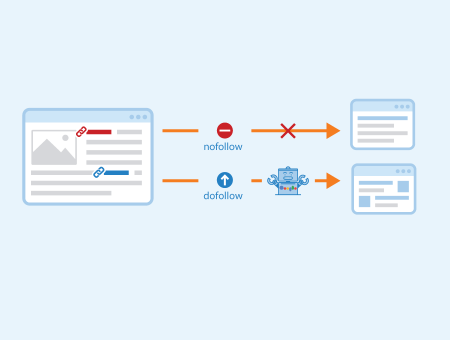
Over the years Google’s approach to links has changed. In the past, the rel=”nofollow” attribute was treated more like a direct instruction that tells search engines not to consider a link. But in 2019, Google updated its guidelines and began to treat NoFollow along with other link attributes, as hints rather than strict rules.
What this means is that Google may choose to ignore the link for ranking purposes, but it can also use the information provided by the attribute to better understand the relationship between websites and content.
Alongside NoFollow, Google introduced two additional link attributes which are:
rel=”sponsored”
This particular attribute is used for links that are a part of paid partnerships, advertisements, sponsorships, or other commercial arrangements.
For instance, if a company pays a website to help them publish a product review, the link to that company’s website would be marked as sponsored. This just helps search engines understand that the relationship is promotional rather than a natural editorial recommendation.
rel=”ugc”
UGC on the other hand stands for user-generated content and this attribute is designed for links created by users and not the website owner.
Common examples of UGC includes:
- Blog comments
- Community forums
- Discussion boards
For example, if a user should share a link in a forum discussion, the website may be used as the UGC attribute to indicate that the link was created by a community member.
What does this mean for SEO?
The introduction of these attributes gives website owners more ways to describe their links accurately and instead of viewing just every link as simply “good” or “bad,” search engines can better understand the context behind each link.
For marketers, the takeaway here is simple: you should focus on earning relevant and trustworthy links rather than trying to manipulate link attributes. A natural backlink profile will usually contain a variety of links from different sources, including editorial mentions, partnerships, communities, and other online platforms.
When Should You Use DoFollow Links?
DoFollow links are mostly appropriate when you are naturally recommending a website, resource, or a piece of content that you trust. So since regular links can pass SEO signals, they should also be used when the connection between the two pages represents a genuine endorsement.
Here are some of the common situations where DoFollow links make sense:
1. Linking to Trusted Resources
If another website provides valuable information that supports your content, a normal link can help users to access additional resources while also helping search engines understand the relationship between the pages.
An SEO blog discussing keyword research for example may naturally link to a trusted industry study or research report that supports its claims.
2. Building Internal Links Within Your Website
Internal links are usually just regular links because they help search engines understand the structure of your website and how different pages may relate to each other.
A website that sells marketing software for instance may link from a blog post about email campaigns to a related page explaining its email automation features and by doing this it helps users discover relevant content while making it easier for search engines to crawl the website.
3. Earning Editorial Mentions
One of the strongest types of backlinks usually comes from editorial mentions. These occur when another website chooses to reference your content because it finds it useful and very valuable.
Examples can include:
- A journalist referencing your original research
- An industry blog linking to your expert guide
- A company mentioning a useful tool or resource you created
All these types of links are valuable because they are earned naturally rather than just placed purely for SEO purposes.
4. Recommending Relevant Partners or Industry Sources
If you work with trusted businesses, organisations, or professionals and genuinely want to recommend them, using a normal link may be appropriate.
The key factor to look out for here is relevance and authenticity. A link should exist because it provides value to users, not simply just because you want to influence search rankings.
Ultimately, DoFollow links are mostly valuable when they represent real recommendations and the strongest link-building strategies focus on creating content and relationships that naturally earn these types of mentions.
When Should You Use NoFollow Links?
NoFollow links are very useful when you want to link to another website but do not want to imply a traditional editorial endorsement or just pass ranking signals in the same way as a normal link.
They are most commonly used in situations where there is a commercial relationship, user-generated content, or uncertainty about the quality of the linked website.
1. Paid Partnerships and Sponsored Content
If a website receives payment or any form of compensation for placing a link, the link should automatically be identified appropriately using rel=”sponsored”.
For instance, if a company should pay a blogger to write a product review, the link to the company’s website should not appear as a natural recommendation instead mark it as sponsored to help search engines understand that there is a commercial relationship.
2. Affiliate Links
Affiliate marketing allows businesses and creators to earn commissions when users purchase products through their links because these links exist as part of a business arrangement and they should typically use appropriate link attributes such as rel=”sponsored” or rel=”nofollow”.
A technology website reviewing laptops for example may include affiliate links to online stores, the attribute helps the search engines understand that the link is connected to a commercial partnership.
3. User-Generated Content
Websites that allow users to create content such as forums, community websites, and blog comments, more often use NoFollow or UGC attributes to manage links.
This is because website owners cannot always verify or just control every link shared by users.
For example, a discussion forum about digital marketing may just allow members to share helpful resources, but the platform may mark those links as UGC to show they were created by users.
4. Linking to Untrusted or Unrelated Sources
Sometimes you may need to actually reference a website without wanting to endorse it.
For example, a security company may write an article warning readers about a fraudulent website and then include a link as an example. In cases like this, using a NoFollow attribute can help communicate that the link is included for reference and not recommendation.
5. Protecting Your Website From Low-Quality Links
For websites that receive many user-submitted links, there are ways to reduce the risk of spam. NoFollow and related attributes help website owners manage these links while still allowing useful discussions and information sharing.
The main purpose of NoFollow links is not to just avoid linking altogether, It is basically about providing search engines with more context about why a link exists and what relationship it represents.
Also Read: 7 Proven Link Building Strategies for Boosting Your SEO
How To Check If A Link Is NoFollow or DoFollow
The reason why you should know whether a backlink is NoFollow or DoFollow is to help you better understand your link profile and evaluate your link-building opportunities.
There are several simple ways to check the type of like we have:
1. Inspect the Link’s HTML Code
The quickest and easiest manual method is to check the page source is to go to.
Google Chrome:
- Right-click on the link you want to check.
- Select “Inspect.”
- Look at the HTML code that appears.
If the link contains:
rel=”nofollow”
It is a NoFollow link.
If there are no attributes like rel=”nofollow”, rel=”sponsored”, or rel=”ugc”, it is generally treated as a normal link.
2. Use SEO Tools
SEO platforms can help you analyse large numbers of backlinks at once and make them useful for websites with extensive link profiles.
Examples of these tools are:
- Ahrefs Site Explorer
- Semrush Backlink Analytics
They can help you show:
- The number of referring domains links to your website
- Which of the links are NoFollow or followed
- If the links are marked as sponsored or UGC
- Which of the pages are receiving the most backlinks
3. Check Your Backlink Profile Regularly
Monitoring your backlinks will help you understand where your links are coming from more and if they are very relevant to your business.
A strong backlink profile is not always determined by having only one type of link but instead, it should contain links from different trustworthy sources that can naturally reflect how people share information online.
Best Practices For Link Building In 2026
Link building has changed significantly over the years and search engines have become better at identifying the difference between genuine recommendations and attempts to manipulate rankings.
In 2026, successful link building is now less about collecting the highest number of backlinks but instead more about earning links that are relevant, valuable, and naturally placed.
Also Read: How to Align Content With Search Intent: Fixing the Mismatch
Here are some of the best practices to follow:
1. Focus on Quality Over Quantity
When it comes to building links people often make mistakes. They think that the more links they have the better they will rank and this is actually not true. It is better to have links from good websites that are related to what you do and links that are more helpful than having a lot of links from websites that’re not related to what you do.
For example if you are a cybersecurity company and a known technology publication mentions you, that is very valuable. It is more valuable than getting links from lots of directories that have nothing to do with what you do.
When you are looking at a link you should ask yourself some questions:
- Is the website related to your industry?
- Does it have real people visiting it?
- Is the link placed in a way that makes sense and is it useful to the people reading it?
- Does the website have a reputation that people trust?
2. Create Content Worth Linking To
One of the links to earn is usually created by making resources that people really want to reference. Some examples of link- content includes:
- Original research and industry studies
- Detailed guides
- Statistics and data reports
- Tools or templates
- Expert interviews and insights
A marketing company that publishes an industry report may actually get links from blogs, journalists and other businesses because the information provides value to their audience and the industry report provides information that people want to share.
3. Build Links From Relevant Websites
Relevance is really important. If a website is the same thing as your website or something very similar, a link from that website is better than a link from a website that is not related and this is because search engines want to know if a link actually makes sense.
For example if you have a website about fitness and a health publication linked to your website, that is more useful than if a website is about something different linked to your fitness website.
4. Maintain a Natural Backlink Profile
A natural backlink profile is made up of lots of links from lots of different places.
Avoid focusing only on:
- One type of link
- One website category
- One anchor text pattern
Instead you should try to get links from all sorts of sources, such as:
- Industry publications
- Guest contributions
- Online communities
- Business directories
- Partnerships
- Digital PR mentions
A website that is growing in a way will usually get a mix of links over time including Dofollow and NoFollow links, sponsored links and links that people make themselves.
5. Avoid Manipulative Link-Building Practices
Search engines do not like it when you try to trick them into ranking you and they do not like tactics like buying low-quality links or joining link schemes that are only meant to manipulate rankings.
For long-term SEO success you need to gain trust and you can easily do this by creating content, building strong relationships and getting genuine recommendations.
The best way to build links is to ask yourself one question:
“Would this link still be valuable if search engines did not exist?”
If your answer is yes, then it is likely the type of link that benefits both your users and SEO.
Conclusion
NoFollow and DoFollow links really both play a role in a successful SEO strategy. While DoFollow links can actually help search engines understand trusted recommendations and can contribute to authority signals, NoFollow links on the other hand can still provide valuable traffic, visibility, and brand exposure.
The biggest mistake marketers usually make is focusing only on one type of link instead of the quality and relevance behind it. A backlink from the right website and reaching the right audience are far more valuable than just a large number of links from unrelated sources.
In 2026, effective link building is now about earning genuine recommendations, creating useful content, and building relationships within your industry. Whether a link is DoFollow, NoFollow, sponsored, or UGC, the goal is to always create connections that provide value to users and support long-term website growth.
Frequently Asked Questions (FAQs)
Do NoFollow links help SEO in 2026?
Yes, NoFollow links can still help provide SEO benefits indirectly and while they generally do not pass ranking signals in the same way as regular links, they can actually generate referral traffic, increase brand awareness, and help search engines understand online relationships.
A NoFollow link from a trusted website with a relevant audience may actually be more valuable than a followed link from an unrelated source.
Are DoFollow links better than NoFollow links?
Not necessarily. DoFollow links are often prioritised in SEO campaigns because they can pass ranking signals, but the overall value of a link depends mostly on factors such as relevance, authority, placement, and the audience it actually reaches.
Should all backlinks be DoFollow?
No. A natural backlink profile will usually contain different types of links and trying to build only DoFollow links may create an unnatural pattern.
Websites naturally do receive links from different sources, including editorial mentions, sponsored content, forums, social platforms, and community discussions.
How can I get more high-quality backlinks?
The best way to earn high-quality backlinks is by actually creating valuable content and building relationships within your industry.
The goal here is not simply to just get more links but to earn links that can help strengthen your brand’s credibility and provide value to your audience.